Outdoor light with a sensor: motion sensor, dusk sensor or solar?
An outdoor light with a sensor switches on by itself: when someone comes or when it gets dark. Here is how to choose the sensor, the power source and the spot on the facade.
Popular picks from this guide
-
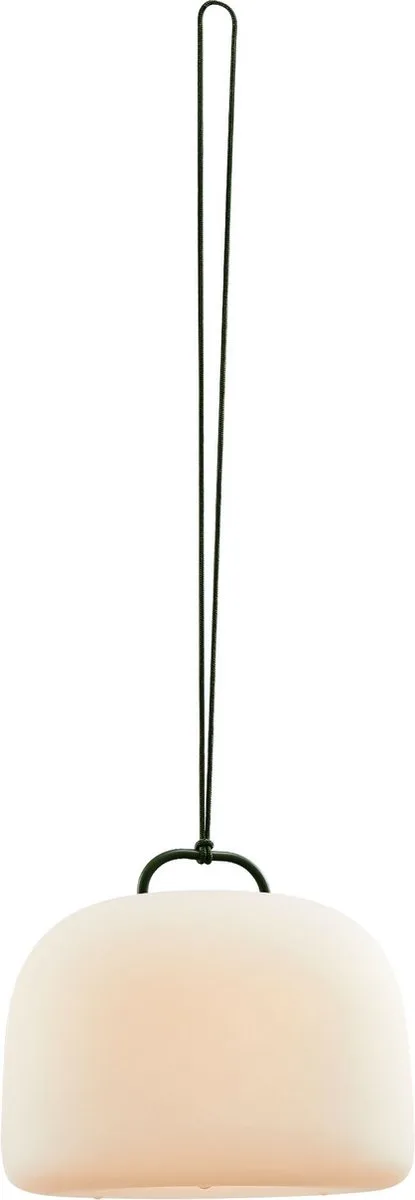
Osram Endura Style LED-oplaadbare wandlamp Robust, 2.5W, 3000K warmwit, 180 lm, USB, PIR-sensor, 2 maandenGo to Bol Marketplace
From €54.95 · at 2 shops
Lowest in 24 days
- Go to Bol.com
-
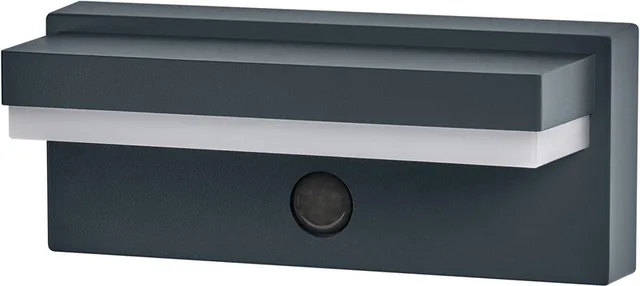
Lutec Fari, LED outdoor wall lamp, up & down, 1200 lm, 3000K, IP54 weatherproof, dark greyGo to Bol Marketplace
€43.99 · at 1 shop
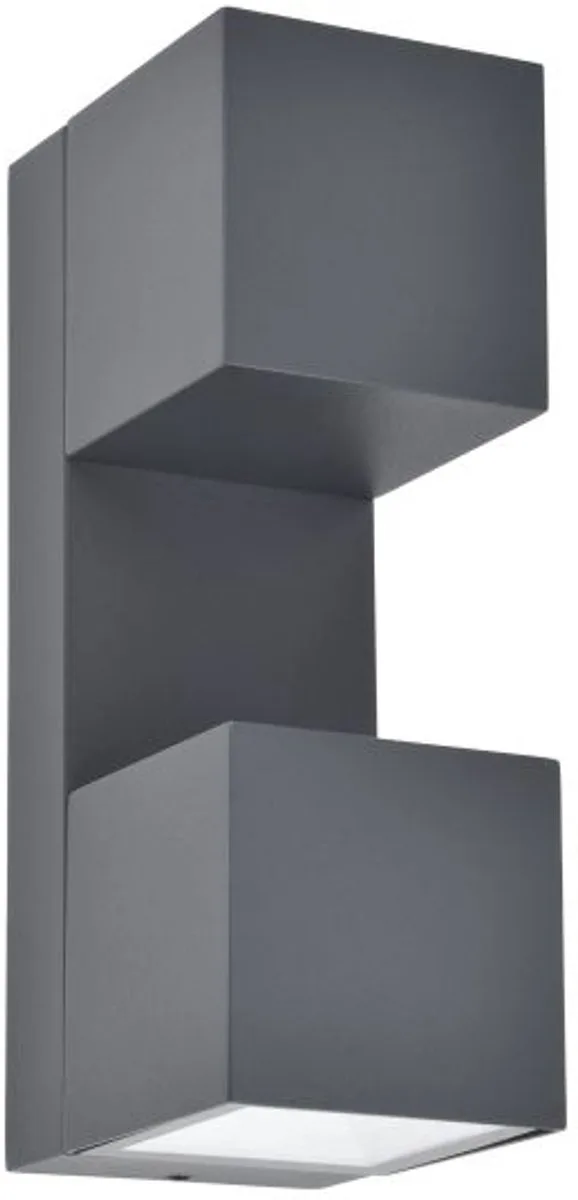
Popular products at today's lowest price. Compare every shop on the product page.
Short answer: A motion sensor switches the lamp on when someone walks past, a dusk sensor when it gets dark. If you want light when you come home, choose a motion sensor; if you want the facade or path lit all evening, a dusk sensor. Many lamps have both. A solar lamp needs no cable, but usually gives less light than a lamp on the mains.
What follows comes from the manufacturers and the product data. Lampfee tests no lamps itself.
Three kinds of sensor
| Sensor | When the lamp comes on | Handy for |
|---|---|---|
| Motion sensor | when something moves, and usually only when it is dark | front door, driveway, shed |
| Dusk or day/night sensor | when it gets dark, off in daylight | facade, path, garden |
| Both | after dark, and on some lamps soft light after dark and bright when someone comes | front door, back gate |
A motion sensor with a light sensor does not come on during the day: it only reacts once it is dark enough. That is not always stated; check in the product description whether the lamp has a dusk or light sensor.
Motion sensor: PIR or HF
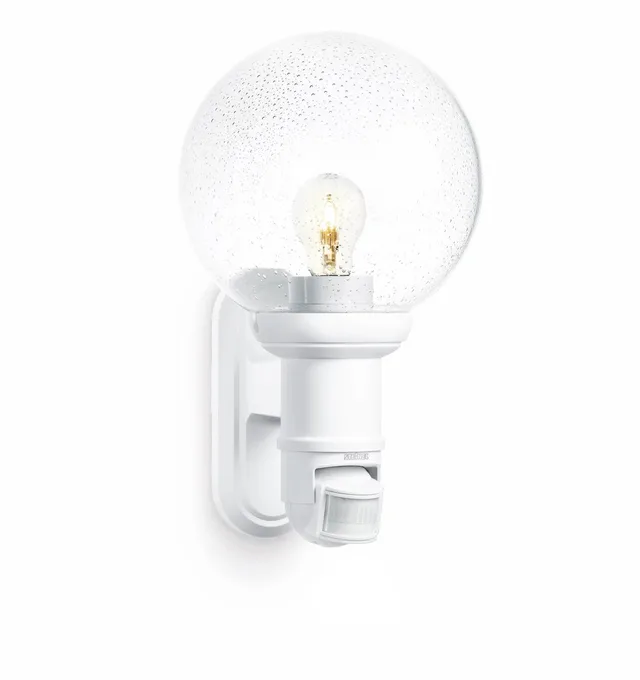
Most motion sensors are infrared sensors, called PIR. Steinel explains that such a sensor reacts to the body heat of people and animals that move. A PIR sensor picks you up well when you walk across it; according to Steinel, an HF sensor picks up movement straight towards the sensor better.
An HF (high-frequency) sensor works differently: according to Steinel it detects any movement, regardless of temperature, and also sees through glass, wood and thin walls. Steinel puts "iHF" in the name, as on the Steinel L 830 LED iHF and the L 835 LED iHF.
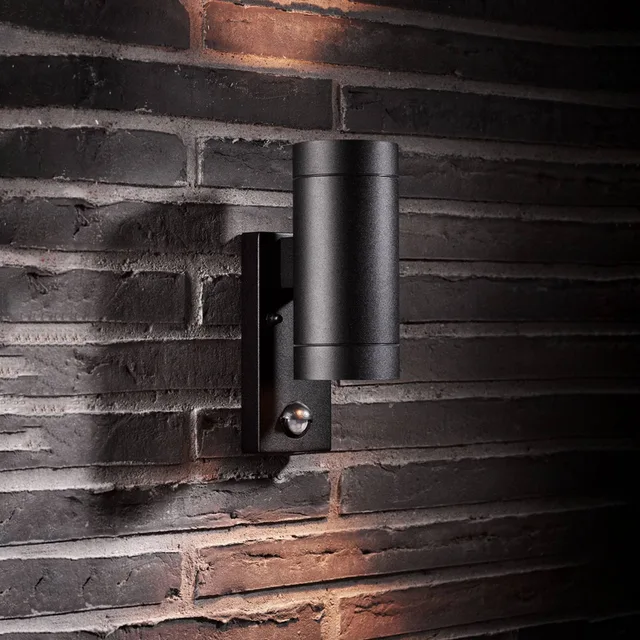
Other lamps with a motion sensor include the Steinel L 940 SC, the Nordlux Tin Maxi Double Sensor or, if you want a lot of light on a driveway, the Brennenstuhl AL 2050, which gives 2080 lumens at IP44 according to its name.
Outdoor lights with a motion sensor
- Steinel
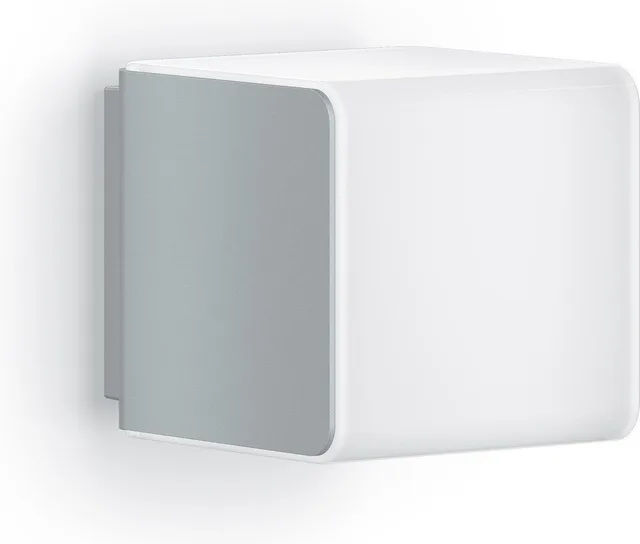
Sensor Buitenlamp L 830 LED iHF
9.1 WSilverFrom €164.99 · at 2 shops
- Steinel
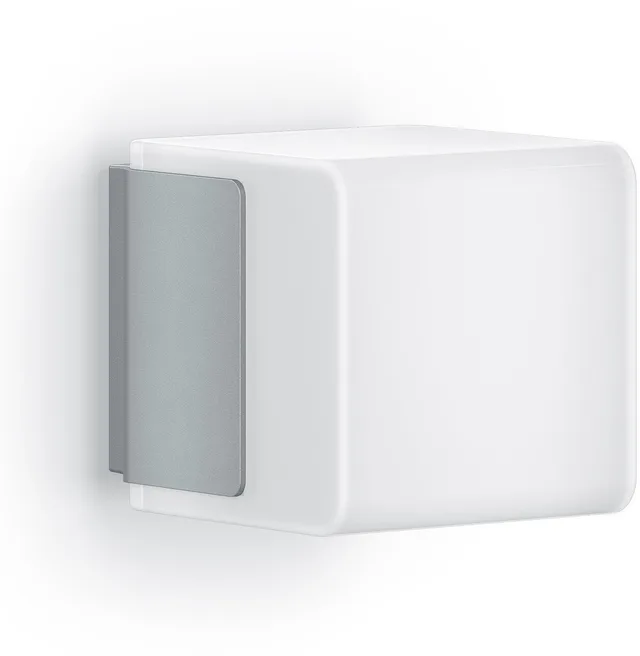
Sensor Buitenlamp L 835 LED iHF
9.1 WSilverPlasticFrom €159.99 · at 2 shops
- Steinel
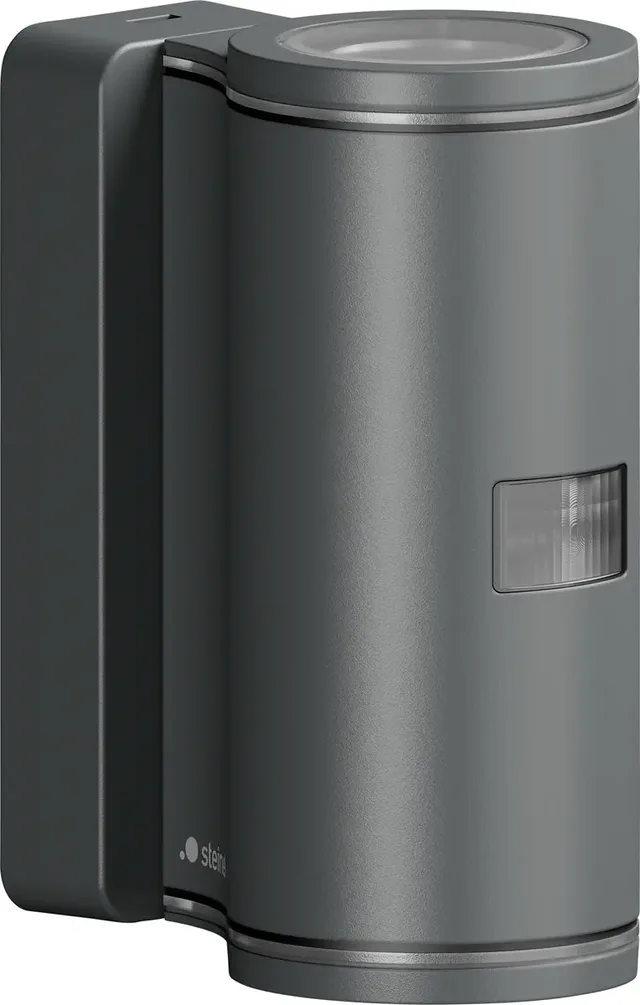
LED AUSSENLEUCHTE L 940 SC ANT 087739 Buitenlamp
14.5 WAnthraciteAluminiumFrom €124.99 · at 2 shops
Lowest in 17 days
- Nordlux
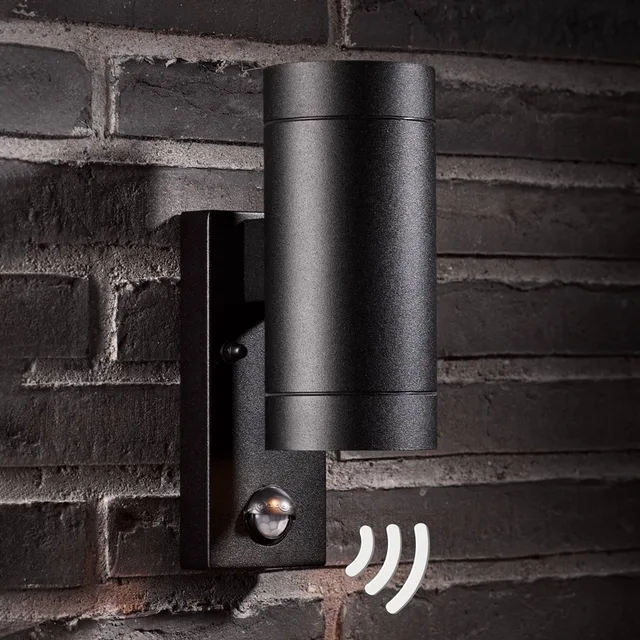
Buitenwandlamp Tin Maxi Double sensor
GU10IP44BlackFrom €70.85 · at 3 shops
- Brennenstuhl
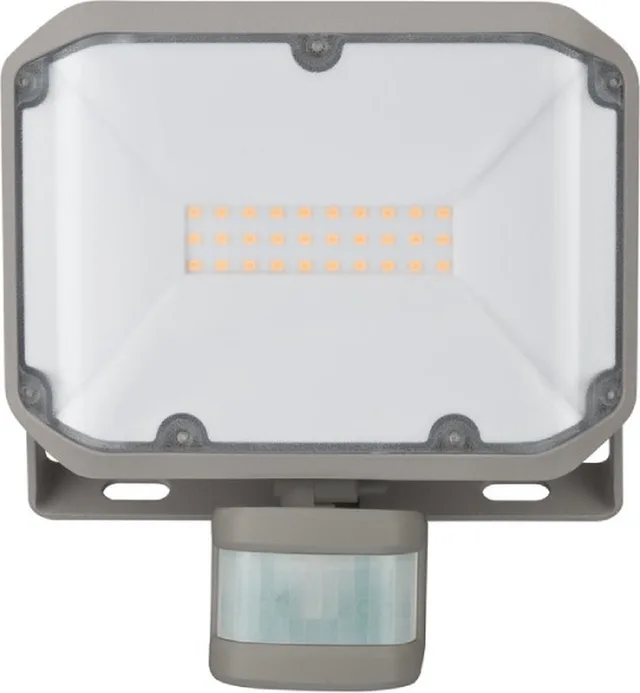
LED buitenlamp AL 2050
IP4420 W2,080 lmFrom €43.94 · at 3 shops
Lowest in 14 days
- Steinel
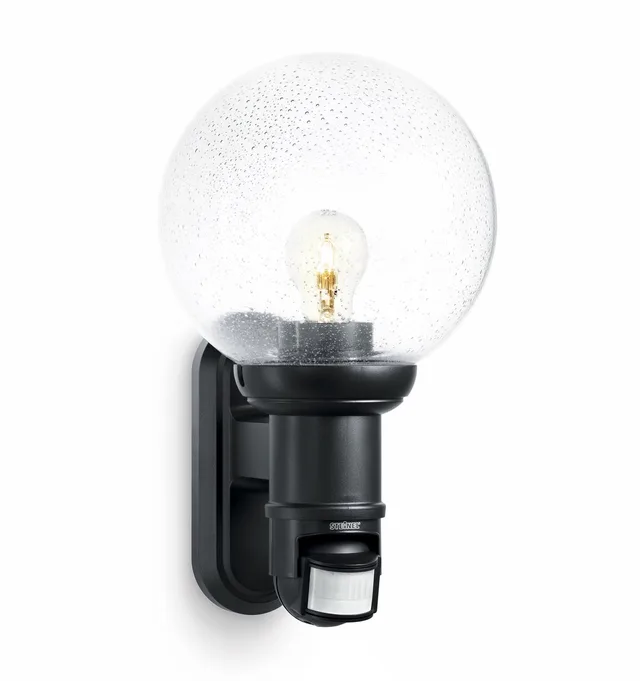
Sensor Buitenlamp L 560 S
E27Black, WhiteGlassFrom €59.94 · at 2 shops
- Konstsmide
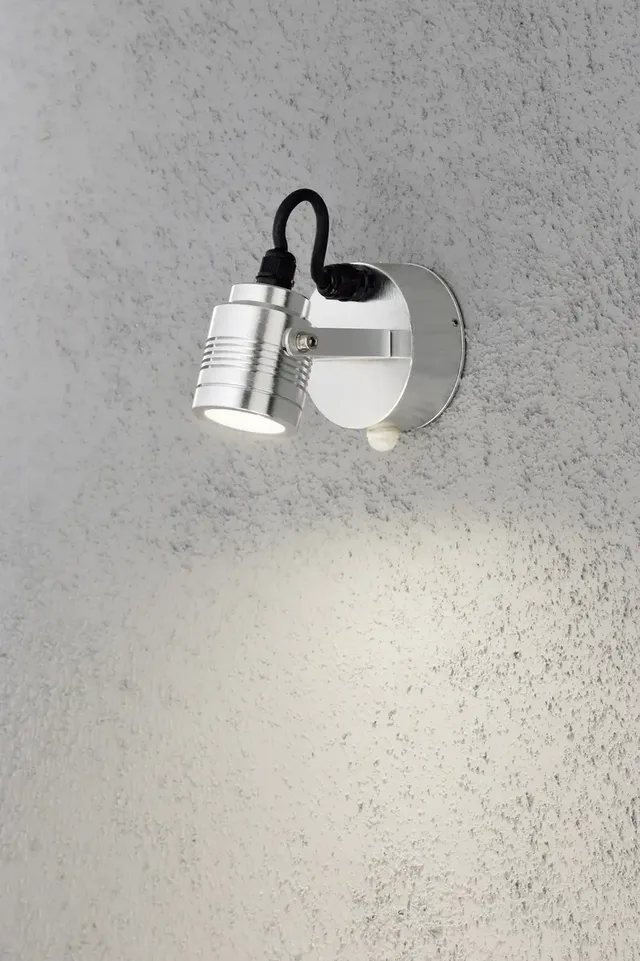
Monza Medium 7941-310 LED-buitenlamp
met bewegingsmelder (wand)3 W3,000 KAluminiumFrom €71.94 · at 2 shops
Dusk or day/night sensor
A dusk sensor measures the daylight. When it gets dark the lamp comes on; when the light returns it goes off. Calex puts "day and night sensor" in the name of the Calex Alba and the Calex Pavia, EGLO on the Cornale.
Already have an outdoor lamp with an E27 fitting? Then you can also screw in an LED bulb with a built-in dusk sensor, such as the Osram E27 dusk sensor bulb or the Lucide A60 Twilight Sensor. The sensor sits in the bulb itself, so it must be able to see daylight: in a closed or dark fitting it works less well.
Combinations exist too. Lutec gives a PIR motion sensor and a day/night sensor for the Lutec Sunshine; Lucide puts "motion and day/night sensor" in the name of the Lucide BASIC.
With a dusk or day/night sensor
- Calex
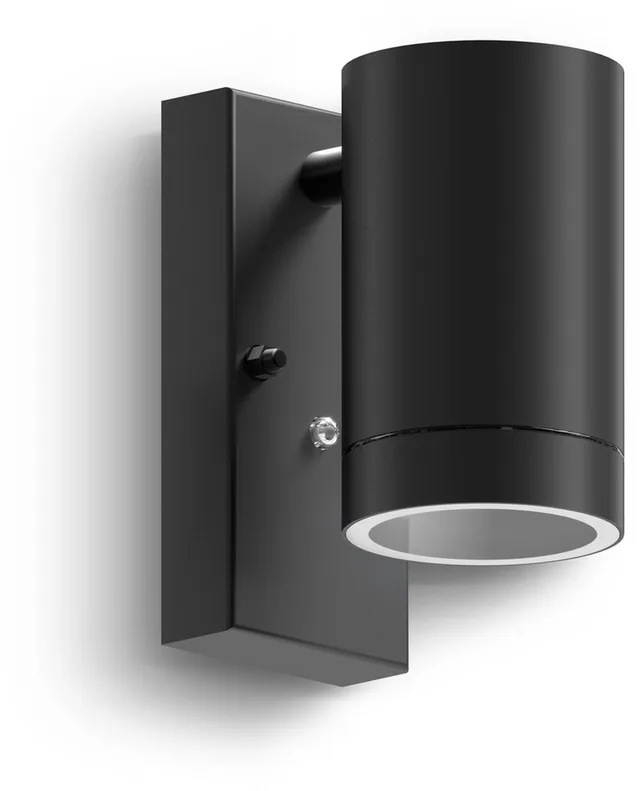
Alba Wandlamp
1x GU10GU10IP44BlackFrom €26.95 · at 2 shops
- Calex
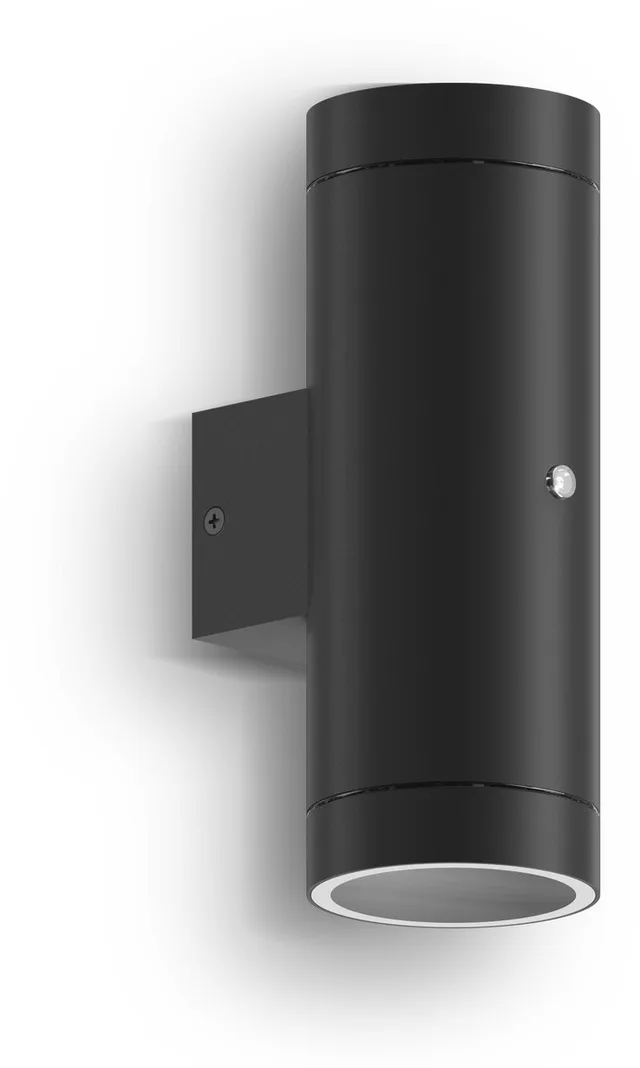
Pavia Wandlamp
2x GU10GU10IP44BlackFrom €34.99 · at 2 shops
- EGLO
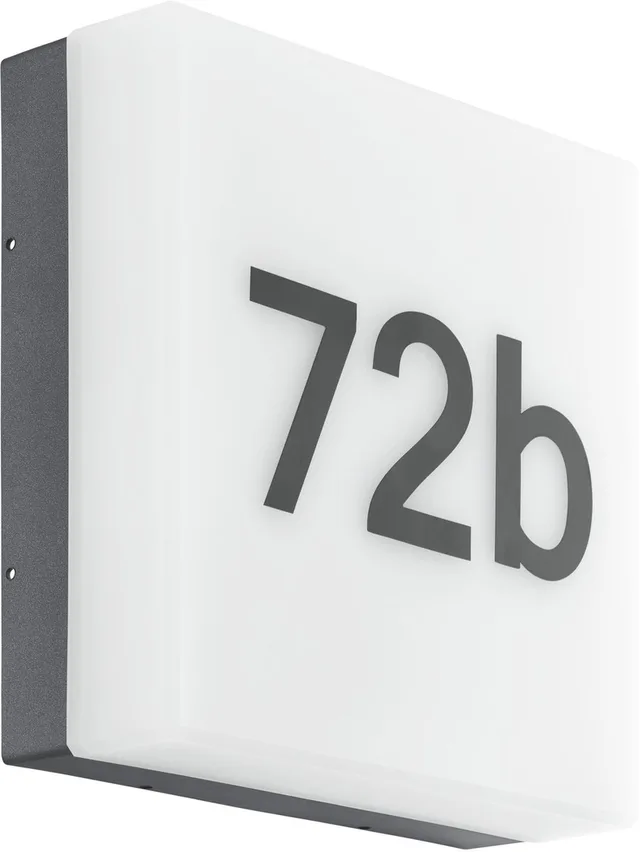
Cornale Wandlamp
LED · Dag en Nacht SensorIP44AnthraciteFrom €73.12 · at 3 shops
- Osram
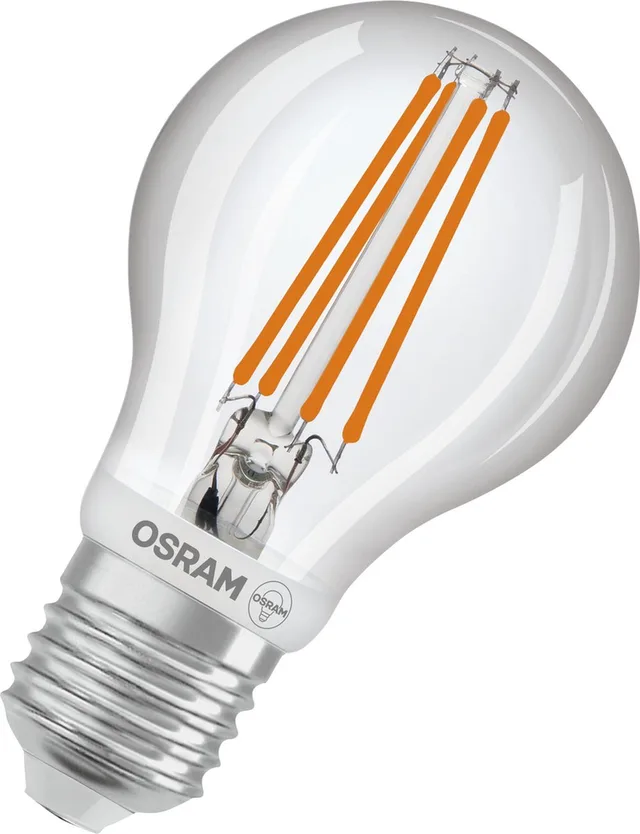
E27 LED Schemerschakelaar Lamp
7.3W 2700K 220V/240V 827 806Lm · 320°E277.3 W806 lmFrom €22.94 · at 2 shops
- Lucide
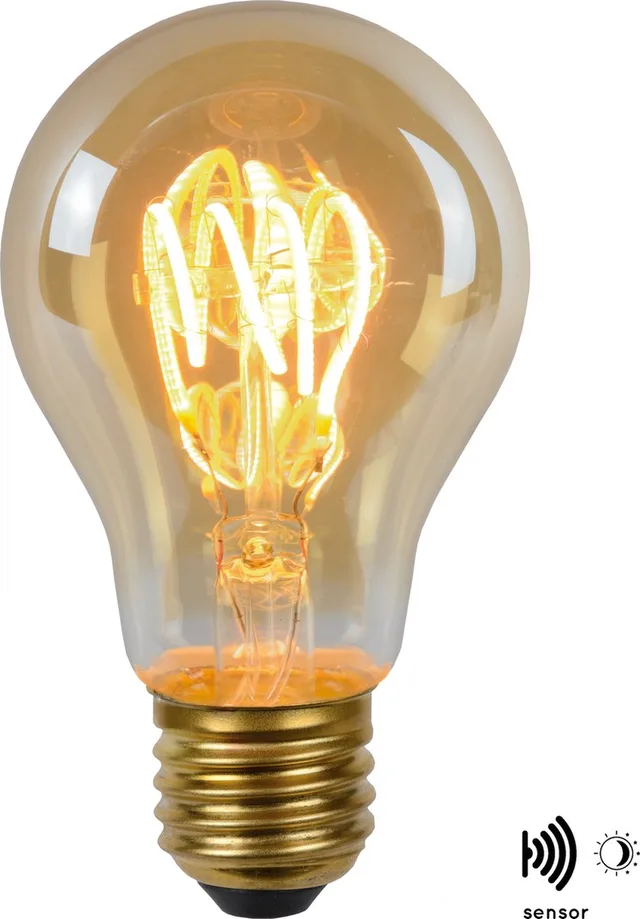
A60 TWILIGHT SENSOR
Filament lamp · Ø 6 cm · LEDE274 W300 lmFrom €15.95 · at 3 shops
- Lucide
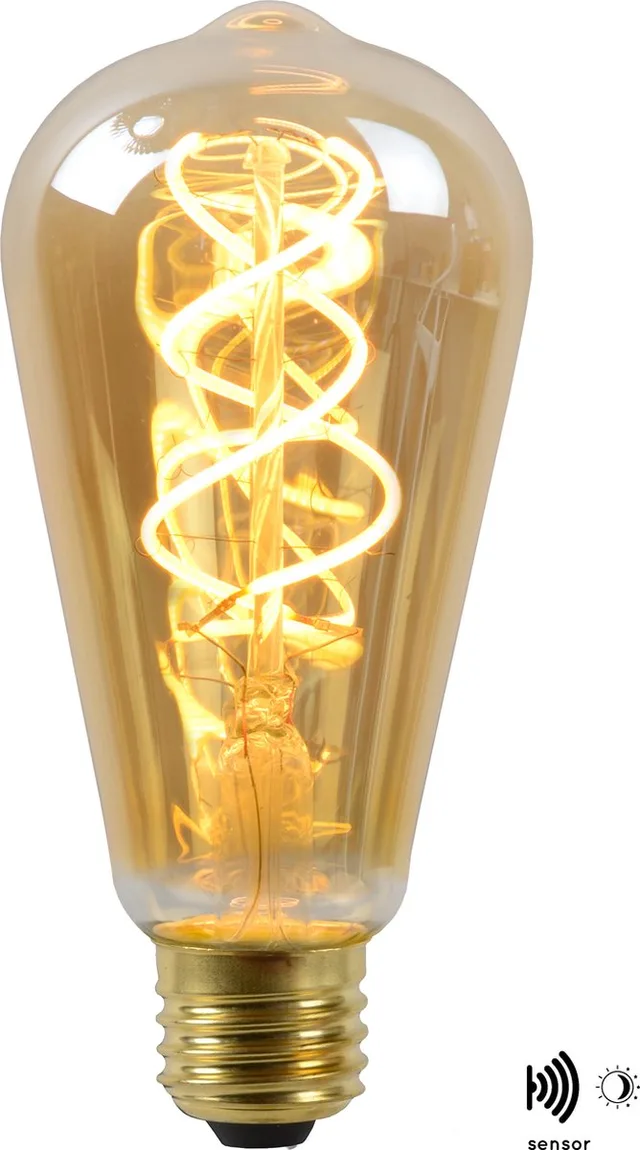
ST64 TWILIGHT SENSOR
Filament lamp · Ø 6,4 cm · LEDE274 W300 lmFrom €14.36 · at 3 shops
Lowest in 24 days
- Lutec
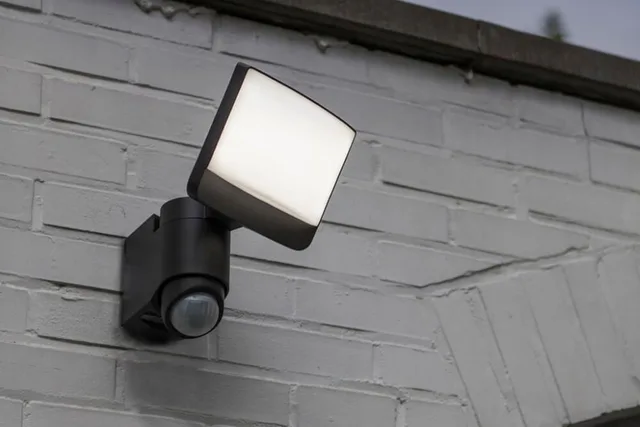
Sunshine
LED wandlamp voor buiten met sensorIP541,100 lm5,000 KFrom €50.09 · at 2 shops
Lowest in 24 days
Solar or mains
A solar lamp charges a battery through a solar panel during the day and needs no cable. That is handy at a shed, a garden gate or a wall without power. You usually get less light, though. Compare the lumens in the product data: the Brilliant Parson gives 240 lumens, the Paulmann Eileen 400 and the Brilliant Luton 1000 lumens, while the Brennenstuhl AL 2050 on the mains gives 2080 lumens.
How long a solar lamp stays lit depends on how much sun the panel gets. In winter the days are shorter, so the battery is less full. Mount the panel where it catches the sun; that is why Lutec gives the Lutec Arrow a tilted solar panel. A lamp with a motion sensor saves the battery, because it only lights up when someone is there.
A mains lamp needs a fixed connection. Have a new outdoor lamp connected by an electrician, and always switch off the circuit when you replace an existing one.
Solar lamps with a sensor
- Osram
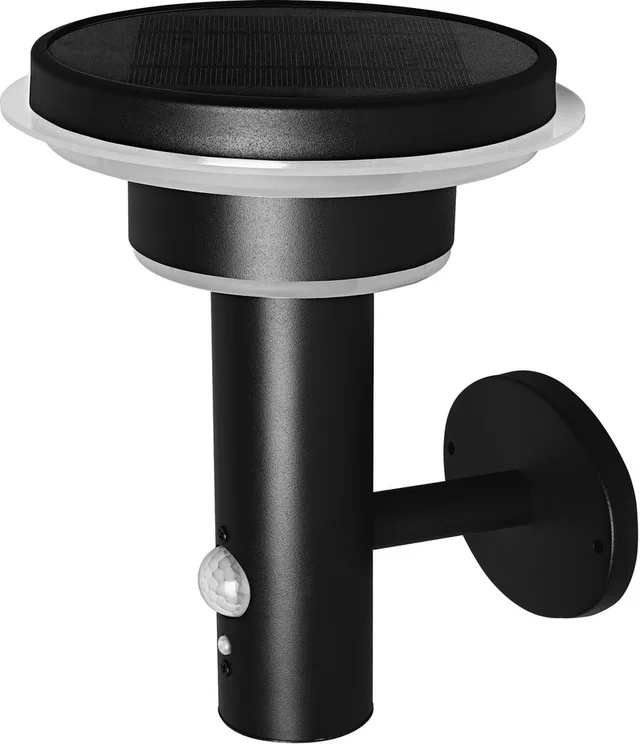
ENDURA Style Solar buitenverlichting, zwart, roestvrij staal, IP44, bewegings- en daglichtsensor, op zonne-energie, ideaal voor terrassen en entrees
IP446 W400 lmFrom €55.07 · at 3 shops
- Paulmann
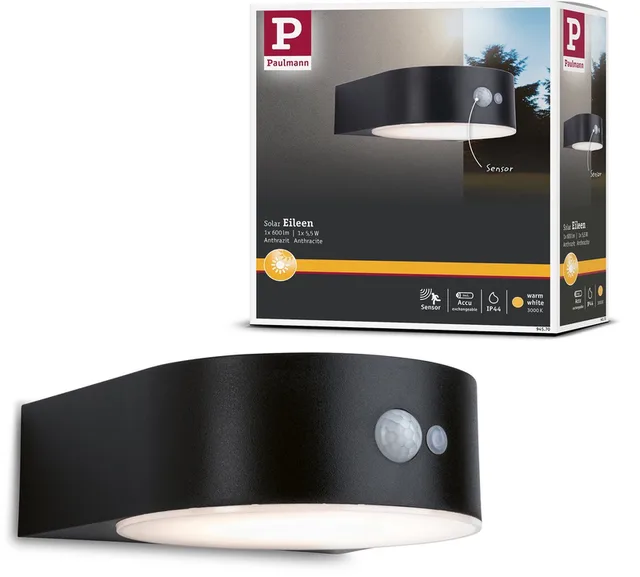
Eileen solar LED outdoor wall fitting motion detector IP44 3000K
IP445.5 W400 lmFrom €39.94 · at 3 shops
- Brilliant
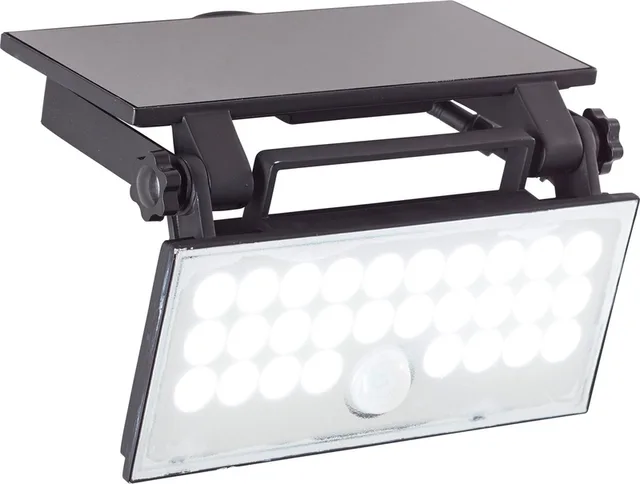
Luton
Buiten wandlamp · LED 6W · SolarIP656 W1,000 lmFrom €29.99 · at 3 shops
Lowest in 24 days
- Brilliant
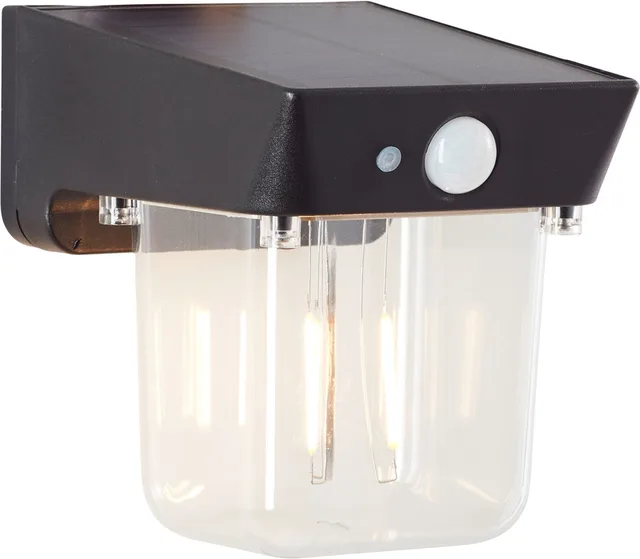
Parson
Buiten wandlamp · LED 2W · SolarIP442 W240 lmFrom €18.97 · at 2 shops
- Lucide
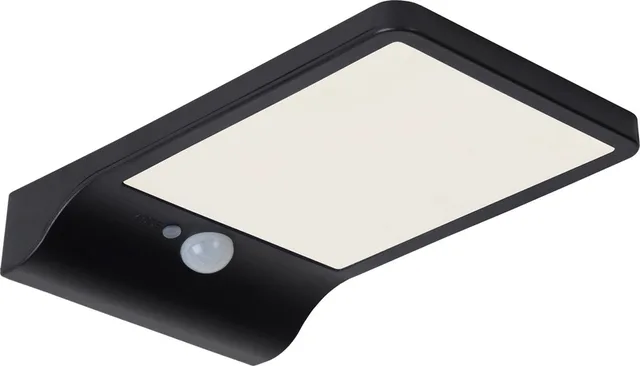
BASIC
Wandlamp · Zonne-energie · LEDIP442,700 KBlackFrom €32.25 · at 4 shops
- Lutec
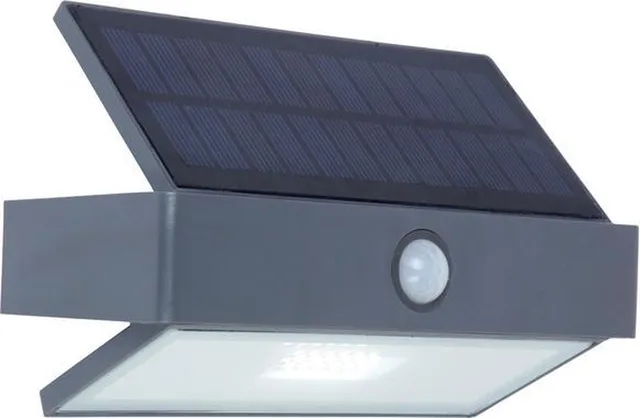
Arrow
LED solar wandlamp voor buitenIP44180 lm5,000 KFrom €32 · at 2 shops
Lowest in 24 days
- EGLO
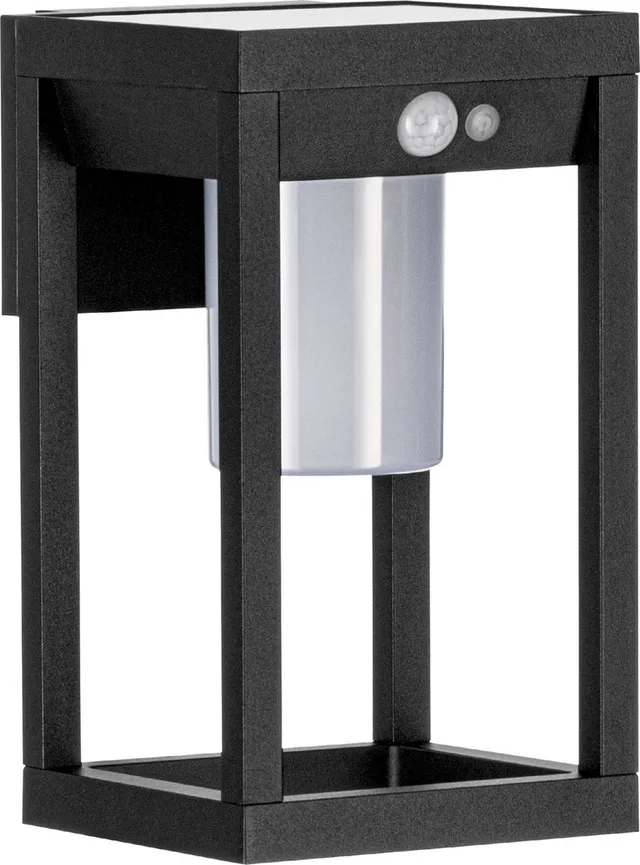
Martano Wandlamp Buiten
Solar · 27 cmIP44BlackAluminiumFrom €93.65 · at 4 shops
IP rating and position on the facade
Outside, a lamp has to cope with rain. At the front door and on the facade IP44 is the usual minimum: protected against splashing water from any direction. If the lamp is fully exposed to the weather, or you hose down the wall, choose IP54 or IP65. The IP rating is in the specifications of every lamp.
Place the sensor where it sees the path or driveway, but not the street or the neighbours: otherwise the lamp keeps switching on for passers-by and cars. Shrubs and branches moving in the wind can set a sensor off too.
Setting it up: range, time and light level
On many sensor lamps you set three things, often with small dials under the lamp:
- Range: how far the sensor looks. Turning it down helps against passers-by on the street.
- Time: how long the lamp stays on after the last movement.
- Light level: how dark it must be before the sensor works.
How it works on your lamp is in the manual. All models are under outdoor lamps.
Frequently asked questions
Can I add a sensor to an ordinary outdoor lamp?
If it has an E27 fitting, you can with an LED bulb that has a built-in dusk sensor, such as those from Osram and Lucide. The bulb must be able to see daylight.
Does a solar lamp work in winter?
Yes, but the panel gets less sun, so the battery is less full and the lamp stays lit for a shorter time. A motion sensor saves the battery.
Will a motion sensor light come on for a cat?
A PIR sensor reacts to moving warmth, so to animals too. A smaller range or lower sensitivity helps; the manual explains how.
Which IP rating does an outdoor lamp need?
At the front door and on the facade IP44 is the usual minimum. For a lamp fully exposed to the weather or set in the ground, choose a higher IP rating.
Keep looking
Lampfee doesn’t test lamps itself. This guide sets out what manufacturers state.
Products from this guide
Popular products with a current price at the shops. Compare the prices on the product page.
- Osram
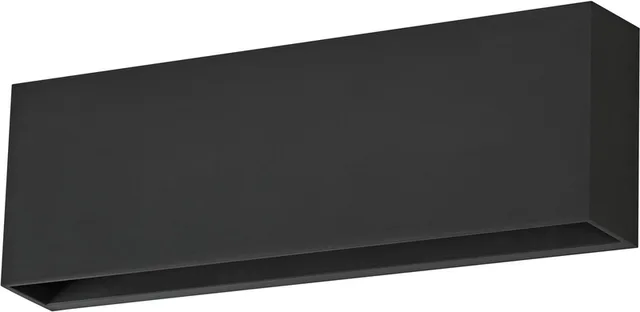
ENDURA STYLE IVO WALL buitenverlichting, 6,5 W, 400 lm, wandlamp, IP65-beschermingsklasse, kleurtemperatuur 3.000 K, warmwitte lichtkleur
IP656.5 W400 lmFrom €34.95 · at 2 shops
- Lutec
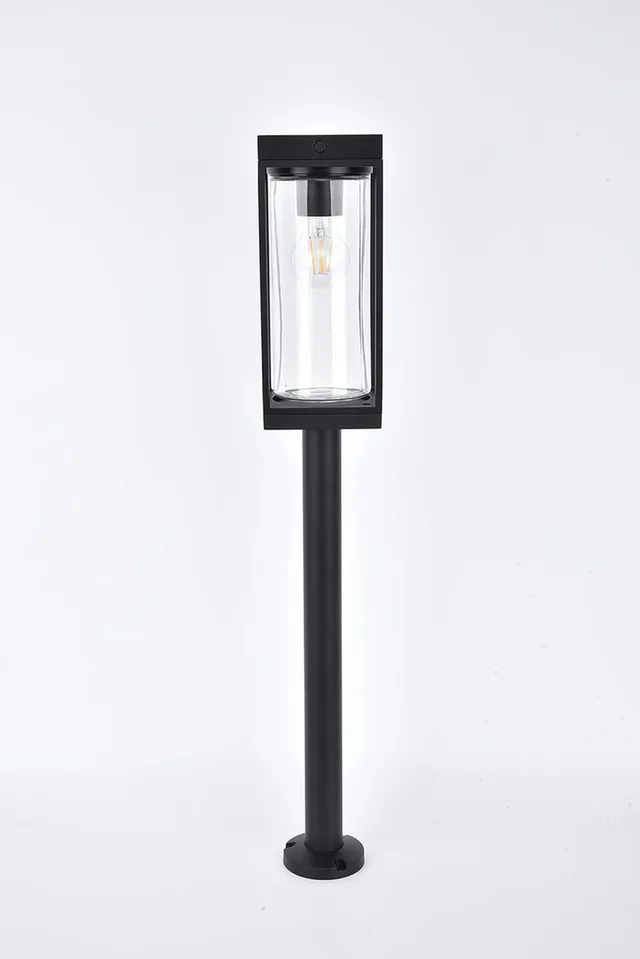
Flair Solar, outdoor lamp, warm white
BlackAluminium€69.99 · at 1 shop
- Lutec
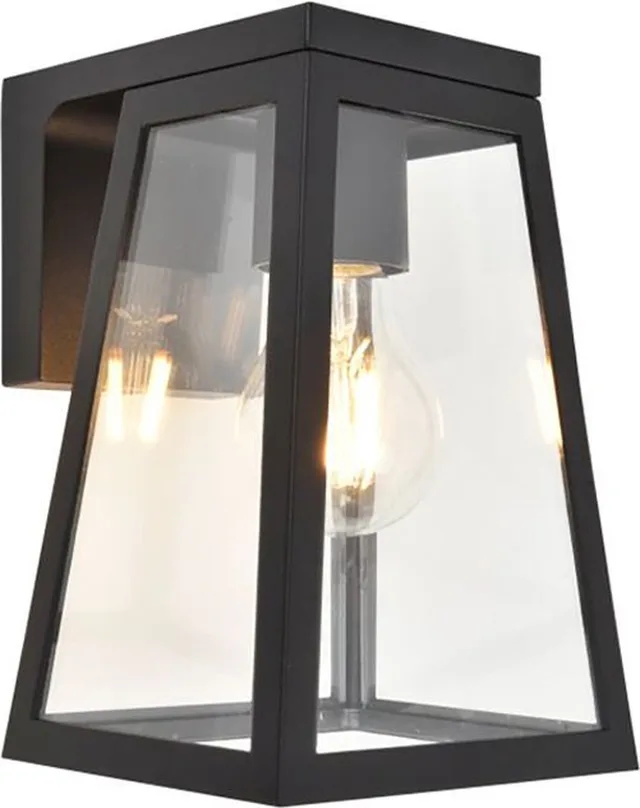
Flair Solar, outdoor wall lamp, E27
E27Black€62 · at 1 shop
- Lutec

Flair, outdoor post light in cottage style, matt black
Mat Zwart€103 · at 1 shop
- Nordlux
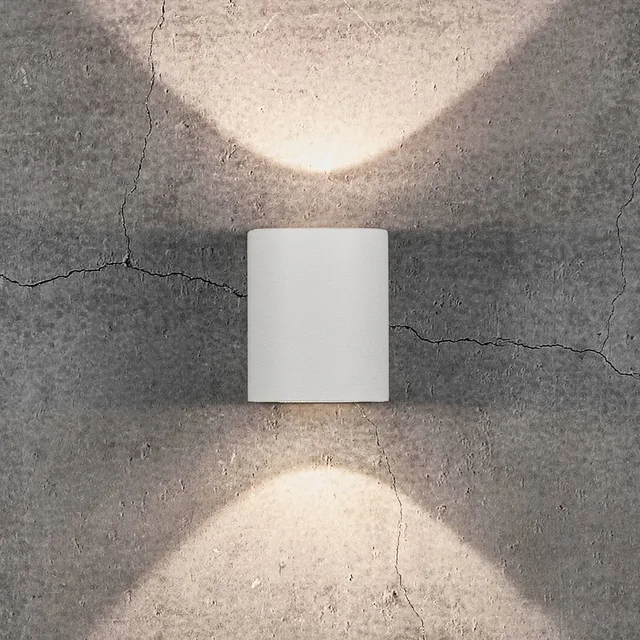
LED buiten wandlamp Canto 2, 10 cm, up/down, IP44
IP4412 W500 lmFrom €88.85 · at 1 shop
More buying guides
- Colour temperature and colour rendering: what do kelvin and Ra mean? Two bulbs with the same lumens can look quite different. That comes down to colour temperature in kelvin and colour rendering. Here is how to read them and choose per room. Read the guide
- Bathroom lighting: which IP rating in which zone? In the bathroom you choose a lamp by where it goes. Here is how to read the IP rating, how the zones around bath and shower work and how to get good light at the mirror. Read the guide