Bathroom lighting: which IP rating in which zone?
In the bathroom you choose a lamp by where it goes. Here is how to read the IP rating, how the zones around bath and shower work and how to get good light at the mirror.
Popular picks from this guide
-
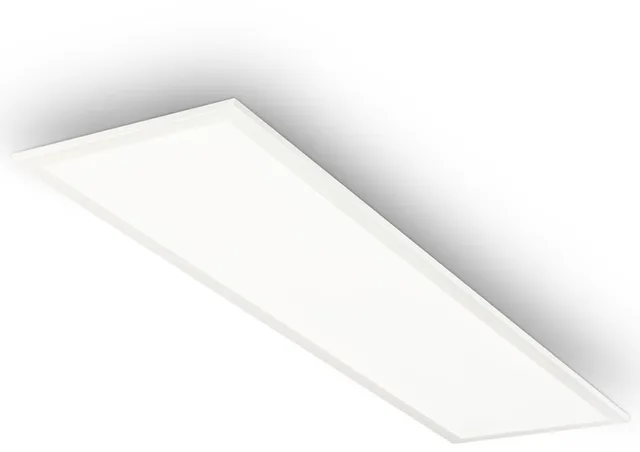
Briloner Simple, LED ceiling lamp, bathroom lighting, bathroom lampGo to Bol.com
From €30.28 · at 3 shops
Lowest in 24 days
-
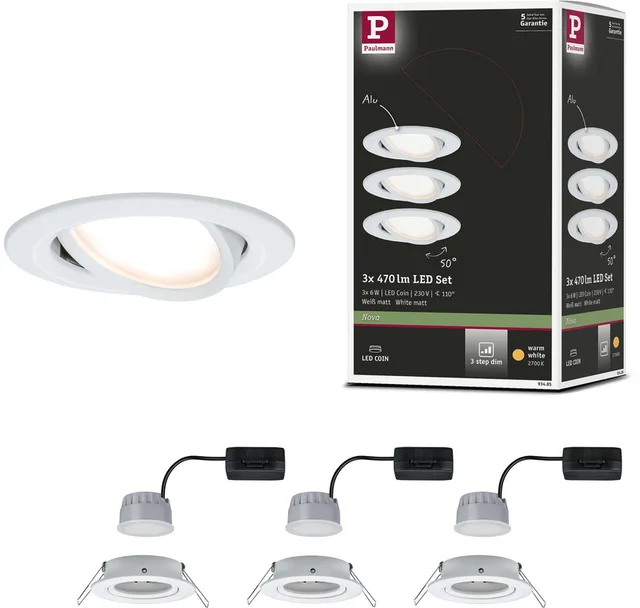
Paulmann LED recessed light 3-Step-Dim Nova Coin basic set swivelling roundGo to Bol.com
From €47.99 · at 3 shops
Lowest in 24 days
-
Paulmann Selection Bathroom Wandlamp Luena IP44 E14 230V max.Go to Conrad
From €73.94 · at 3 shops
Lowest in 24 days
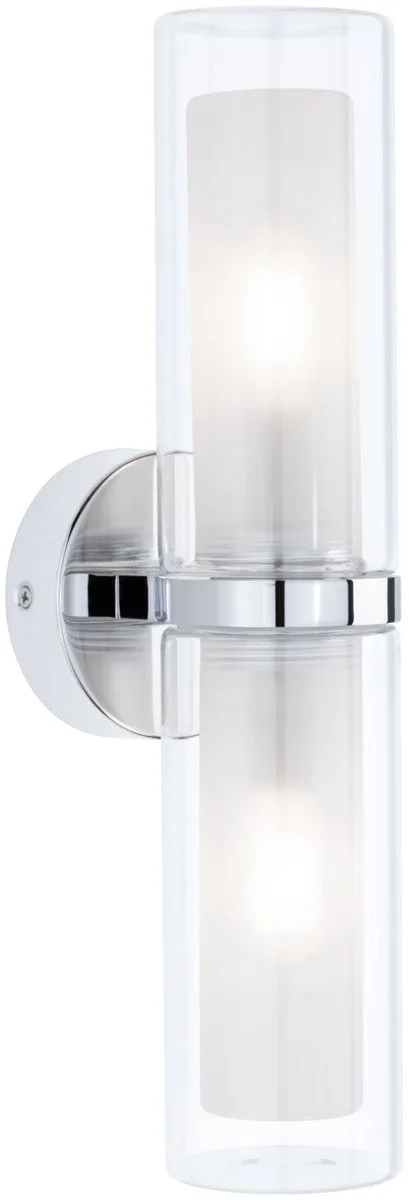
Popular products at today's lowest price. Compare every shop on the product page.
Short answer: In the bathroom you choose a lamp by the zone it goes in. Under the Dutch wiring standard NEN 1010, a lamp above the bath or shower tray (zone 1) and in the 60 cm strip beside it (zone 2) needs at least IPX4; in the bath or shower tray itself (zone 0) only special low-voltage equipment with IPX7 is allowed. A bathroom lamp rated IP44 meets the rule in zones 1 and 2, unless the room is cleaned with water jets: then IPX5 is needed. With a walk-in shower, let an electrician work out where the zones run.
What follows comes from the standard for IP codes (IEC 60529), the Dutch wiring standard NEN 1010 (its bathroom zones follow the international standard IEC 60364-7-701, and the measurements below come from public summaries of it), licht.de and the manufacturers' product data. Lampfee tests no lamps itself. If in doubt, do not wire a fixed bathroom light yourself: have an electrician do it.
What the IP rating means
The IP code has two digits. The first says how well the lamp is protected against solid particles such as dust, the second how well against water.
| Digit | First digit (solids) | Second digit (water) |
|---|---|---|
| 0 | no protection | no protection |
| 2 | fingers, objects from 12.5 mm | drips, also with the lamp tilted up to 15 degrees |
| 4 | objects from 1 mm | splashing water from any direction |
| 5 | dust-protected | water jets |
| 6 | dust-tight | powerful water jets |
| 7 | temporary immersion |
So a lamp rated IP20 is for dry rooms only. IP44 is splash-proof, IP65 dust-tight and resistant to water jets. An X, as in IPX4, means only the protection against water is given.
The zones in the bathroom
NEN 1010 divides the bathroom into zones, measured from the bath or shower:
- Zone 0: the bath or shower tray itself, up to its rim. Only electrical equipment made for it, at a safe extra-low voltage of up to 12 volts AC and IPX7.
- Zone 1: above the bath or shower tray, up to 2.25 m above the floor. For a walk-in shower without a tray it is a circle of 1.20 m around the fixed point of the shower head. At least IPX4, and IPX5 where water jets are used for cleaning.
- Zone 2: with a bath or shower tray, a strip of 60 cm around zone 1, also up to 2.25 m high. At least IPX4, and here too IPX5 where water jets are used for cleaning. How the zones run exactly around a walk-in shower or a fixed glass screen is for an electrician to determine.
Outside the zones the standard sets no IP requirement, but steam gets there too. That is why bathroom lamps are usually IP44 or higher. In Belgium the AREI uses its own division into volumes; ask a certified electrician what applies there. In other countries, the national wiring rules apply.
Ceiling lamp and recessed spots
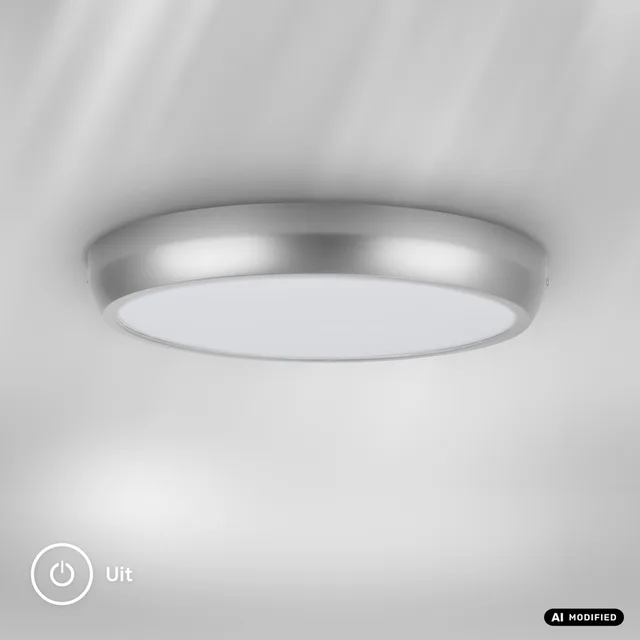
In the middle of the ceiling the lamp is often outside the zones, but in a small bathroom it is quickly above the shower. Then choose a lamp with at least IP44, such as the Briloner Navaro, the Brilliant Brennan or the Briloner Slim Drip. Osram has bathroom ceiling lamps whose light colour you set with the light switch, such as the Osram ORBIS Disc and the Osram square wall and ceiling lamp.
Ceiling lamps for the bathroom
- Briloner
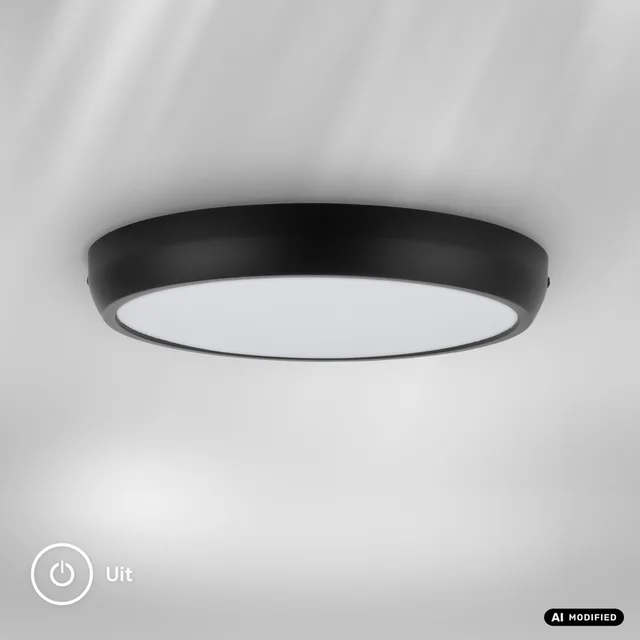
Navaro
LED Plafondlamp · badkamerverlichtingIP4418 W4,000 KFrom €17.95 · at 2 shops
Lowest in 24 days
- Brilliant
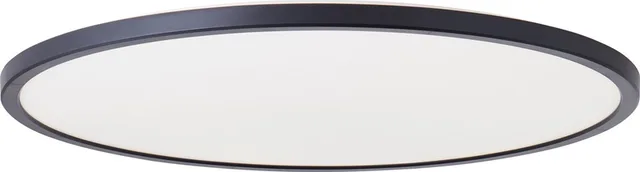
Brennan
Plafondlamp · Badkamer · LED 35W 4000KIP4435 W4,000 lmFrom €88 · at 2 shops
- Briloner
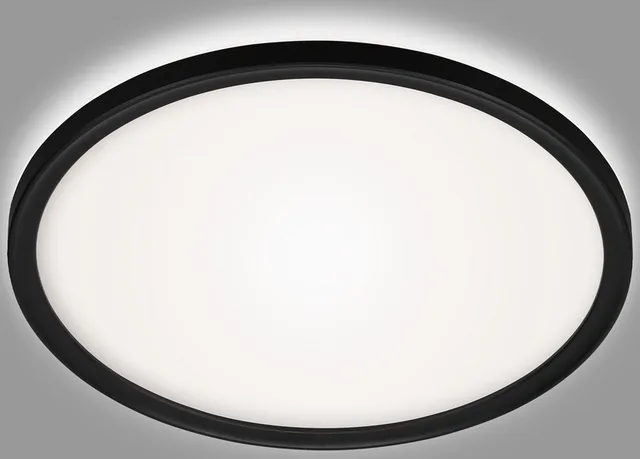
SLIM DRIP
LED BadkamerverlichtingIP4429 cmBlackFrom €26.95 · at 2 shops
- Osram
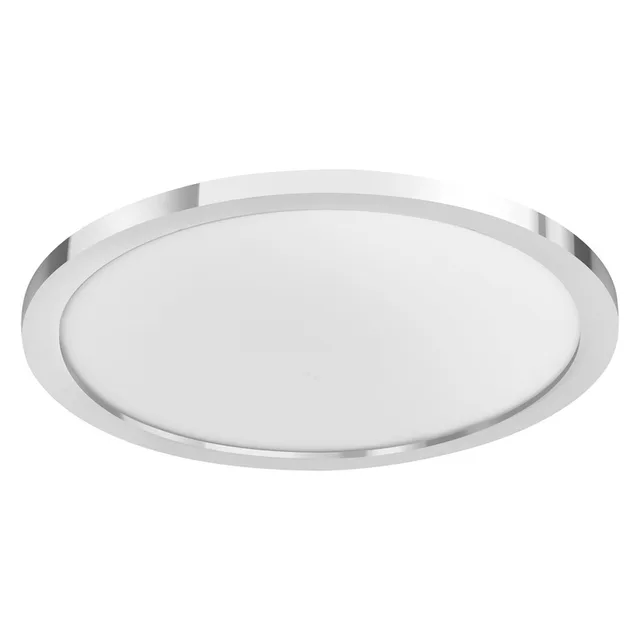
ORBIS DISC badkamerplafondlamp 300 mm, 18 W, 2200 lm, warm tot koud wit licht, regelbaar
met lichtschakelaar, ultradun designIP4418 W2,200 lmFrom €79.95 · at 2 shops
- Osram

LED Vierkante badkamer wand-/plafondlamp
IP4414 W60 cmFrom €49.95 · at 3 shops
- EGLO
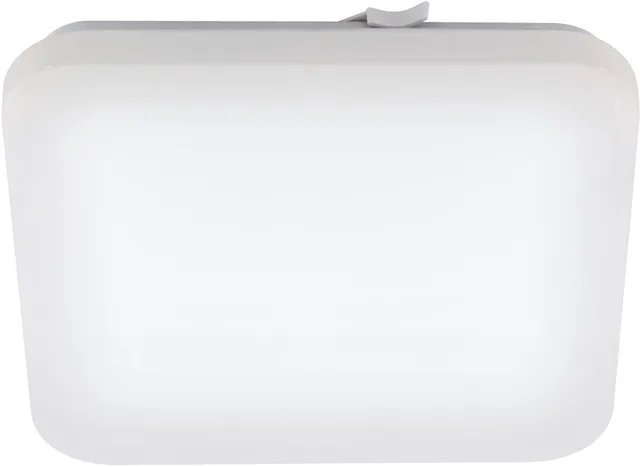
Frania Plafond- en Wandlamp
LED · 33 cmIP44WhiteFrom €32.95 · at 3 shops
Lowest in 22 days
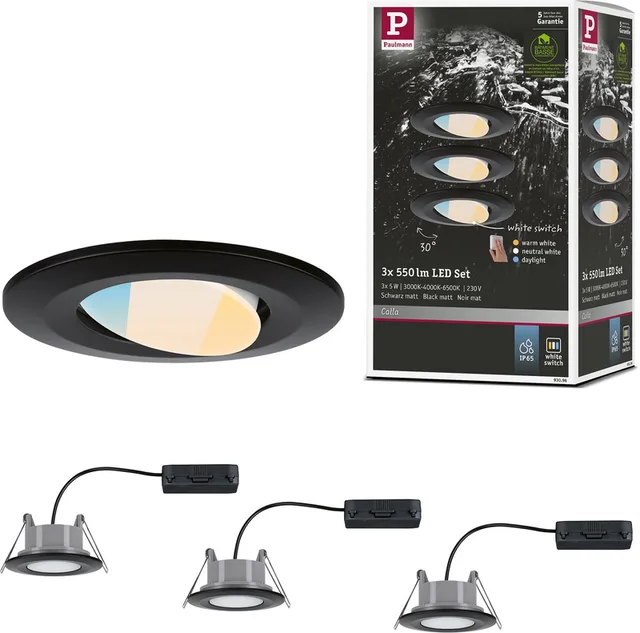
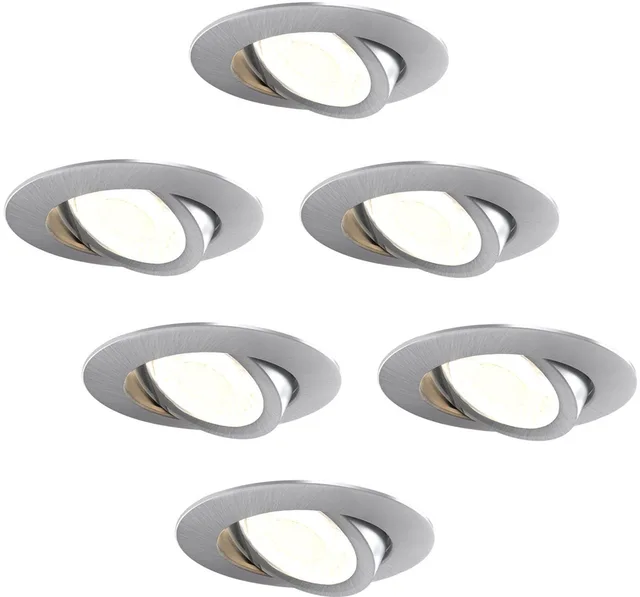
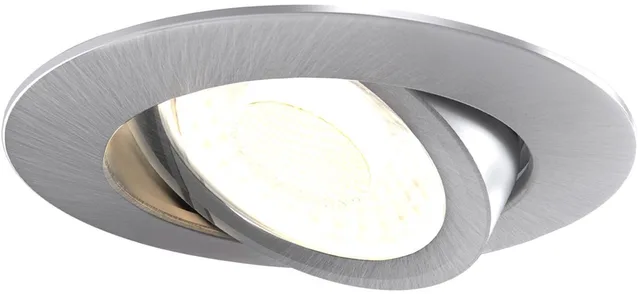
Recessed spots above the shower must meet the IP rating of that zone, and the rating applies to the spot as fitted in the ceiling. Paulmann gives IP65 for its Calla recessed spots, also as a single spot; Ledvion for its tilting recessed spots. The Philips Idris is a surface-mounted spot rated IP44 and, according to Philips, only suitable for LED spots. More models are under recessed spots.
Recessed and surface spots rated IP44 or IP65
- Paulmann
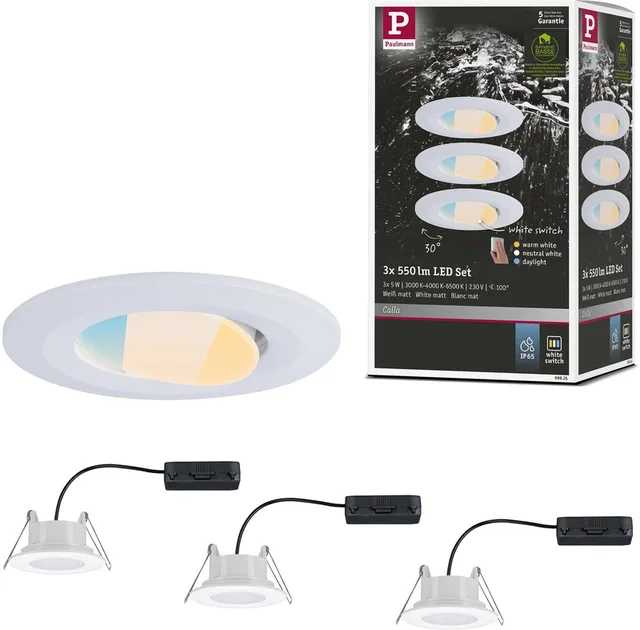
LED Inbouwspots Calla Set van 3
5W per SpotIP655 W430 lmFrom €45.94 · at 2 shops
Lowest in 24 days
- Paulmann
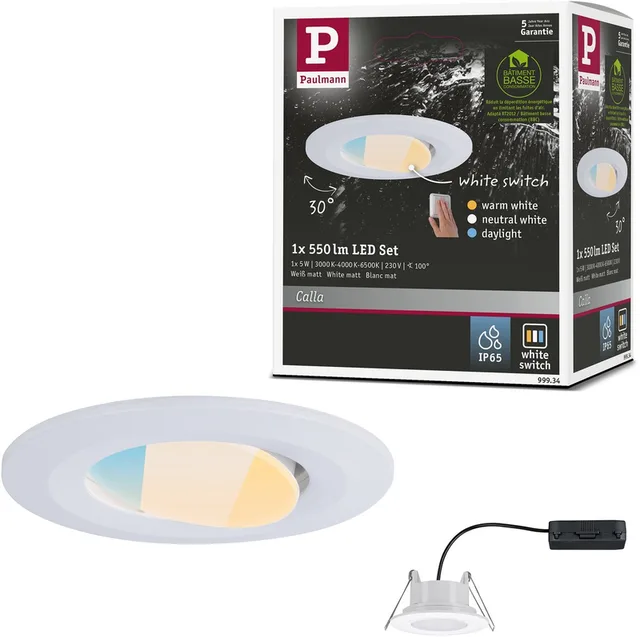
LED Inbouwspot Calla
IP655 W400 lmFrom €23.98 · at 3 shops
- Ledvion
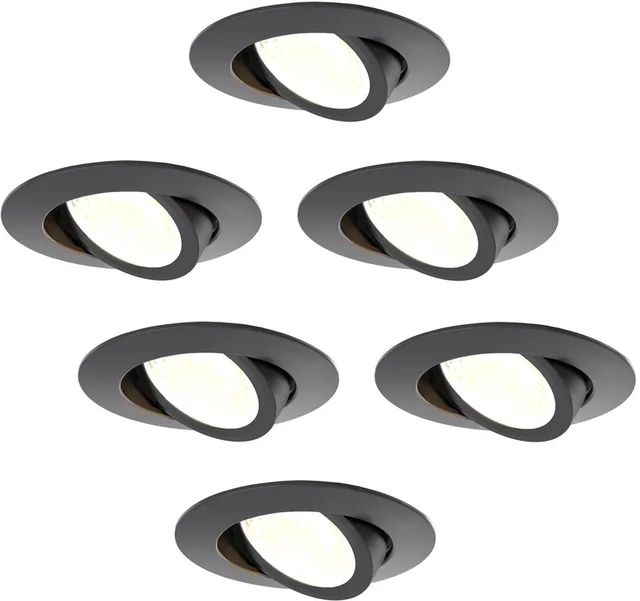
Ledvion
6x LED Inbouwspot · Dimbaar · CCTIP65Black, WhiteAluminiumFrom €69.95 · at 1 shop
- Ledvion
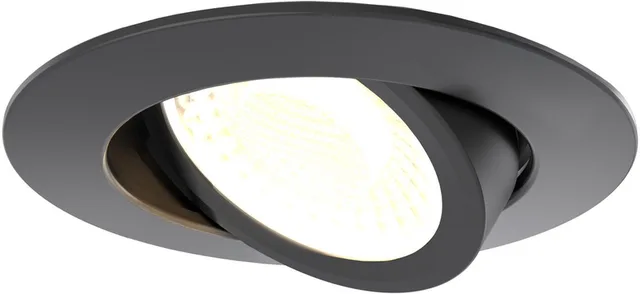
LED Inbouwspot
Dimbaar · CCTIP65Black, WhiteAluminiumFrom €20.95 · at 1 shop
- Philips
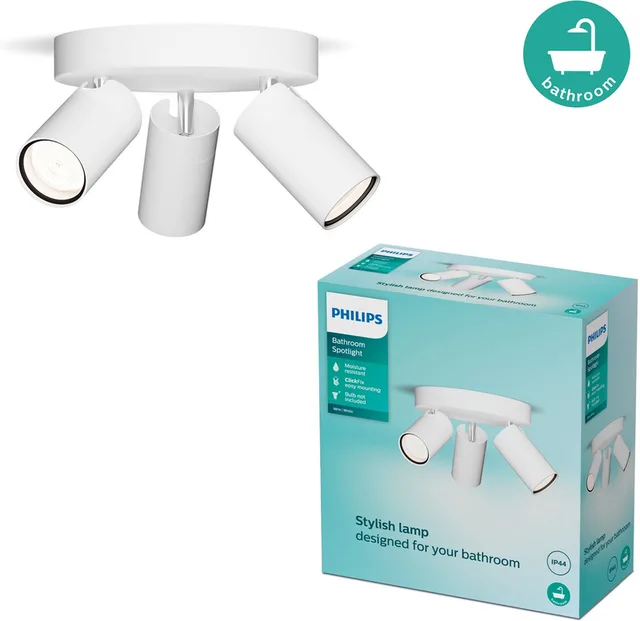
Idris Spot
Plafondspot · Spatwaterdicht IP44GU10IP4415 WFrom €42.95 · at 2 shops
- Philips
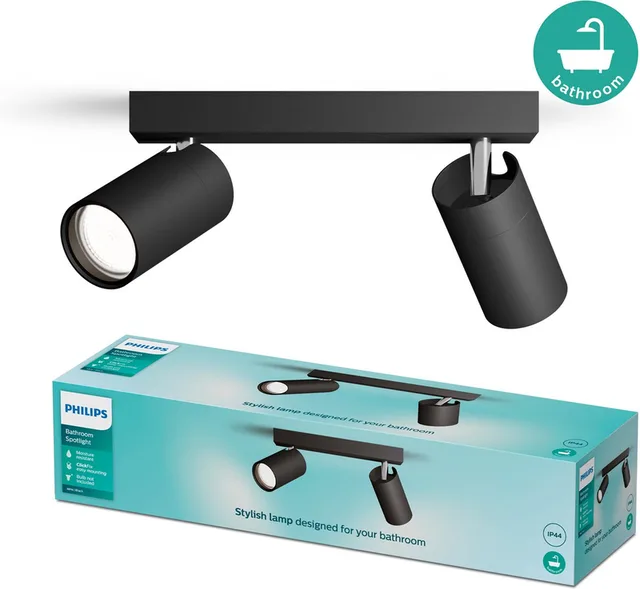
Idris Spot
Spatwaterdicht IP44 · BadkamerlampGU10IP445 WFrom €35.24 · at 2 shops
Light at the mirror
Licht.de advises two identical lamps to the left and right of the mirror: they light the face evenly and without shadows. For a wide mirror licht.de advises an extra lamp above it. Light from above only casts shadows under the chin and nose, and ceiling spots aimed at the mirror cause glare. Mirror lamps rated IP44 come from Lucide, for example: the ONNO in two versions, and wall lamps such as the DAVY and the BEREND with a G9 bulb. More are under wall lamps.
Mirror and wall lamps rated IP44
- Lucide
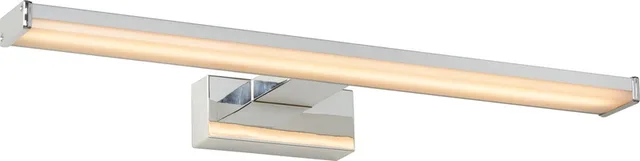
ONNO
Spiegellamp Badkamer · LED · 1x11W 3000KIP4411 W1,350 lmFrom €57.95 · at 3 shops
- Lucide
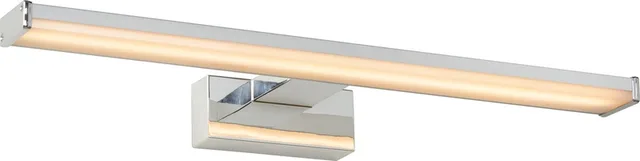
ONNO
Spiegellamp Badkamer · LED · 1x8W 3000KIP448 W900 lmFrom €46.95 · at 3 shops
- Lucide
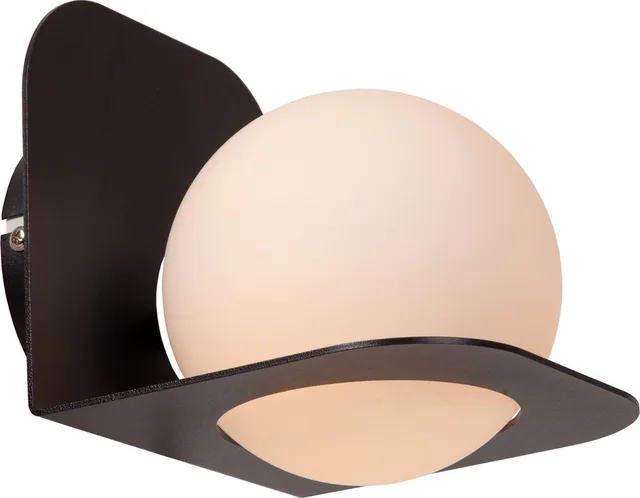
DAVY
Wandlamp Badkamer · 1xG9G9IP44Black, WhiteFrom €71.35 · at 3 shops
Lowest in 24 days
- Lucide
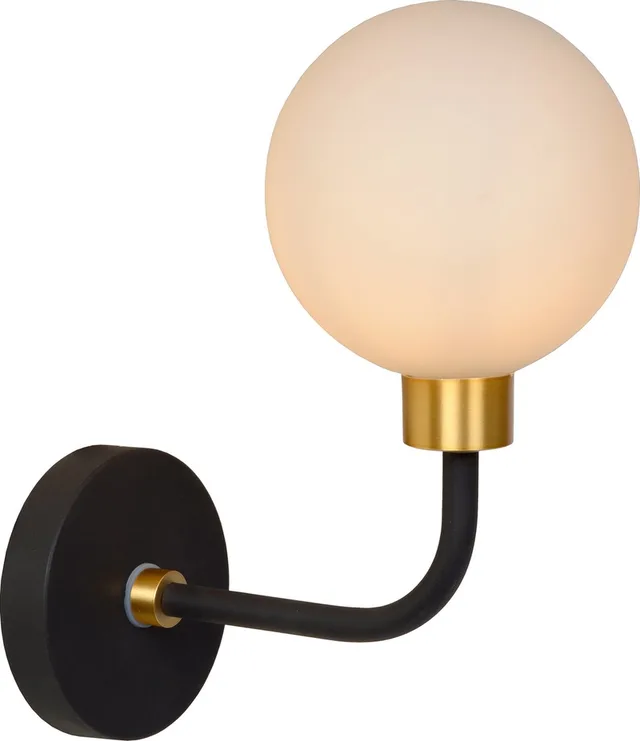
BEREND
Wandlamp Badkamer · 1xG9G9IP4425.2 cmFrom €46.90 · at 4 shops
- Lucide

MADELON
Wandlamp Badkamer · LED · 1x9W 2700KIP442,700 KBlackFrom €129.60 · at 3 shops
- Lucide
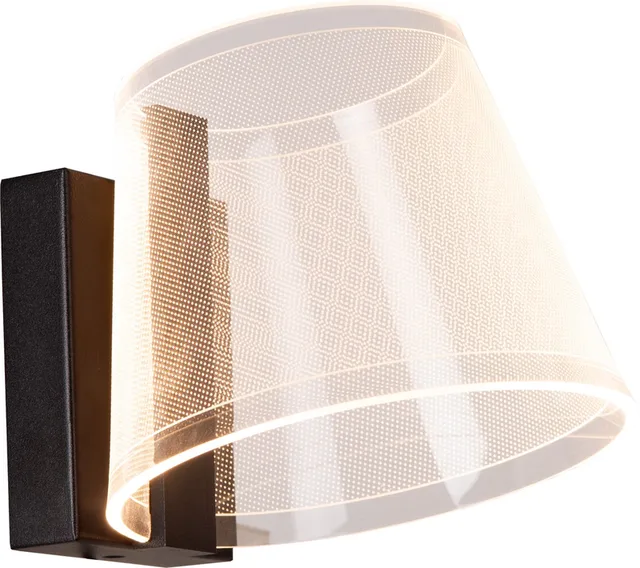
KORGIS
Wandlamp Badkamer · LED · 1x10W 3000KIP443,000 KTransparentFrom €83.96 · at 3 shops
Lowest in 24 days
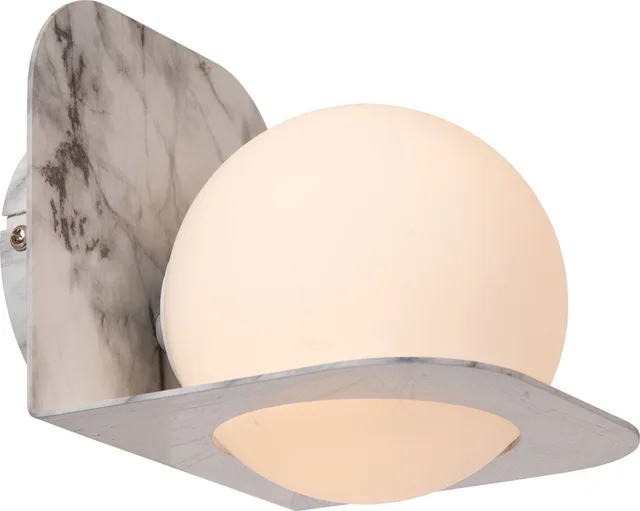
Light colour
At the mirror you want to see colours as they are. Licht.de recommends warm white there, with colour rendering of Ra 90. For the rest of the bathroom, warm white feels calmer, especially when dimmed. How to read kelvin and Ra is in our guide Colour temperature and colour rendering.
Leave the wiring to an electrician
A ceiling lamp or spot in the bathroom is wired to the mains, often close to water. Always switch off the circuit before you work on a lamp. For a new light point, recessed spots or doubt about the zone, call in an electrician.
Frequently asked questions
Is IP44 enough for a bathroom?
For zones 1 and 2 NEN 1010 requires at least IPX4, so IP44 meets it there. Where water jets are used for cleaning, zones 1 and 2 need IPX5. In the bath or shower tray itself (zone 0) stricter rules apply.
Can a recessed spot go above the shower?
Yes, if the spot meets the IP rating of that zone, at least IPX4, and is fitted properly. Have an electrician connect it.
What is the difference between IP44 and IP65?
IP44 is protected against objects from 1 mm and splashing water. IP65 is dust-tight and resistant to water jets.
Which light colour suits a bathroom?
Licht.de recommends warm white with Ra 90 at the mirror, and warm white is usual elsewhere in the home too. That is advice, not a requirement of the standard.
Keep looking
Lampfee doesn’t test lamps itself. This guide sets out what manufacturers state.
Products from this guide
Popular products with a current price at the shops. Compare the prices on the product page.
- Briloner
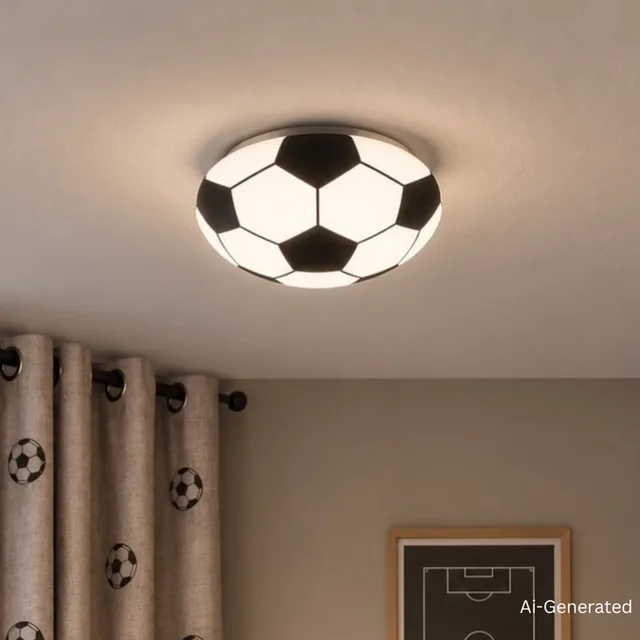
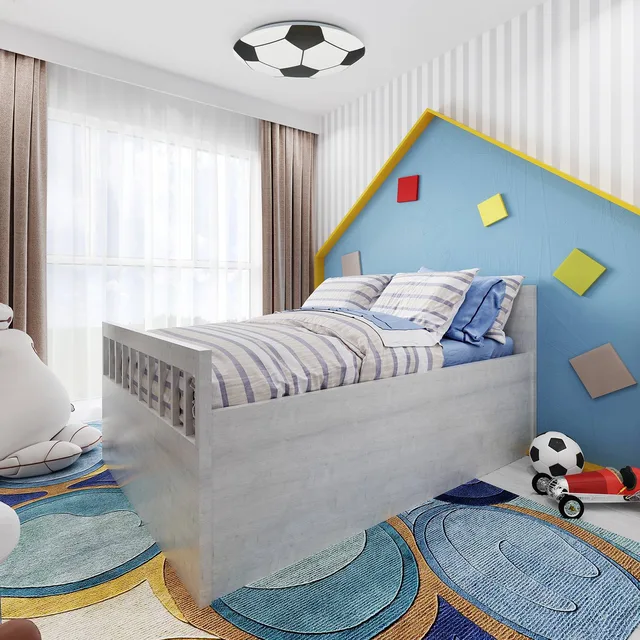
LED ceiling lamp, football lamp ceiling light, children's room lamp, World Cup football, 12W
Ø27.5cm12 W27.5 cmZwart voetballFrom €22.94 · at 3 shops
- Philips
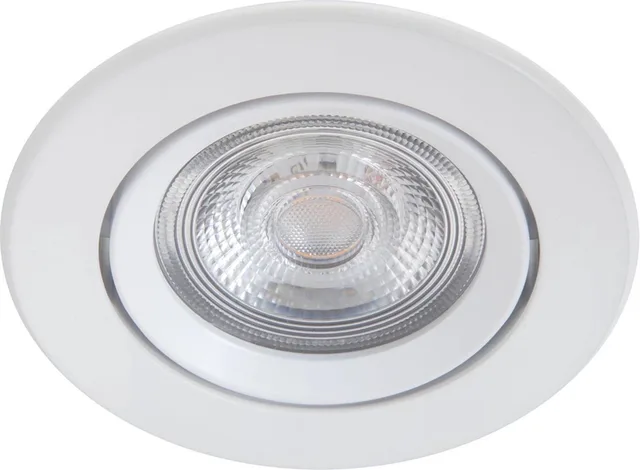
Dive badkamerinbouwspot
1-lichtsIP655 WWhite, NikkelFrom €22.85 · at 2 shops
- Briloner
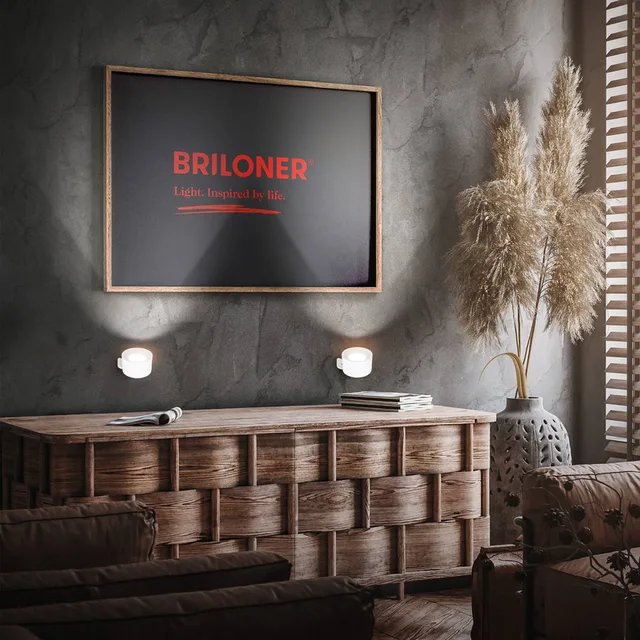
LED wandlamp Tari, CCT, touchdimmer, USB
White, BlackFrom €10.58 · at 2 shops
Lowest in 24 days
- Briloner
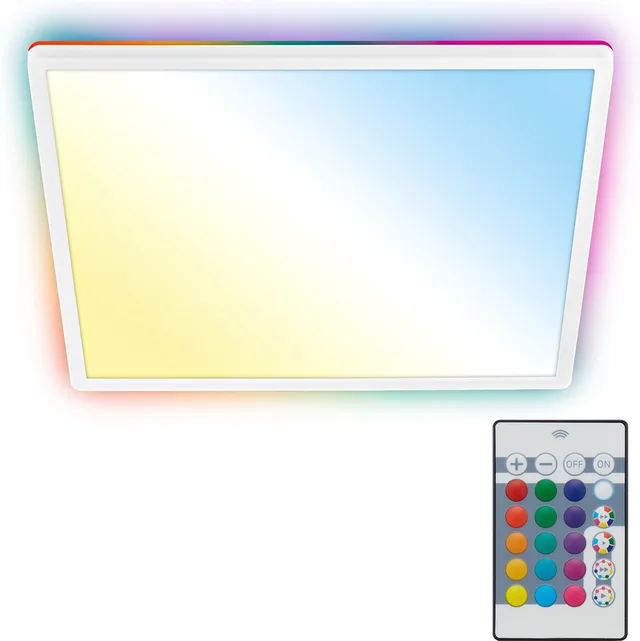
B.K.LICHT
LED Plafondlamp · met afstandsbediening22 WWhite€44.95 · at 1 shop
- Philips
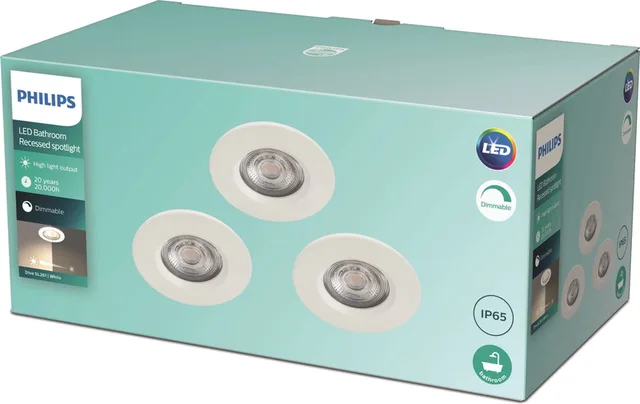
Dive bathroom recessed spotlight, 3-light
IP652,700 KWhite, NikkelFrom €36.99 · at 1 shop
More buying guides
- Colour temperature and colour rendering: what do kelvin and Ra mean? Two bulbs with the same lumens can look quite different. That comes down to colour temperature in kelvin and colour rendering. Here is how to read them and choose per room. Read the guide
- Outdoor light with a sensor: motion sensor, dusk sensor or solar? An outdoor light with a sensor switches on by itself: when someone comes or when it gets dark. Here is how to choose the sensor, the power source and the spot on the facade. Read the guide